

Randall’s Island Park’s Repository
The data repository for Randall’s Island Park serves as a resource hub – a compilation of the ecological and environmental monitoring and assessments performed on the island by the Alliance’s staff and community collaborators. Through this repository, researchers, students and community members can access detailed data sets, reports, and analyses, facilitating further research questions, informed decision-making, and strategic planning.
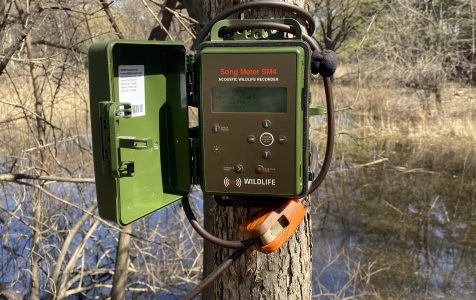
RIPA’s Natural Areas team monitored two locations to record bird calls during dawn and dusk from April-June, analyzing the recordings using BirdNET analyzer to document bird population presence and composition. This data will inform management practices in the natural areas of the island.
2025
2024 - PDF
2024


Randall’s Island Park Alliance staff and volunteers participate in bimonthly waterbird monitoring at nine locations on Randall’s Island with a focus on herons, gulls, and water adjacent birds.
2025
2024 - PDF
2024
2023
2022
2021
2020
2019
2018
2011-17

Randall’s Island Park Alliance staff participate in the nation’s longest-running community science bird project: Audubon’s Christmas Bird Count. This information allows researchers and agencies to understand the long-term health and status of bird populations across North America.
2024
2023
2022
2021
2020
2019
2018
2017

Randall’s Island Park Alliance staff, volunteers, and members of the public participate in weekly water quality testing. This community-based initiative provides valuable data on water quality and safety by testing enterococcus, a fecal indicator associated with sewage contamination.
2025
2024
2023
2022
2019
2018
2015-17
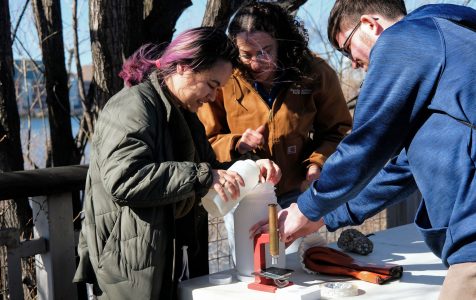
Randall’s Island Natural Areas team collects a variety of water quality parameters including water temperature (C), dissolved oxygen (ppm), and salinity (ppt) to assess fluctuating river conditions. These measurements are documented in a variety of on-going monitoring projects.
2025
2024 - PDF
2024
2023
2022
2021
2020
2019

Randall's Island Urban Farm and staff in partnership with four other urban farms & gardens look at the growth of shiitake and oyster mushrooms on cottonwood and mulberry trees sourced from the Freshwater Wetland. This study aims to explore the ability of different substrates to produce fruiting bodies of different mushroom varieties.
2025
2024
Thanks To Our Sponsors


